


Intermediate and Refinery Corrosion Inhibitor
SHANDONG ZHENGXIANG PETROLEUM TECHNOLOGY CO.,LTD
Zhengxiang company is a capably professional chemical company, located in Dongying city, the city of oil. We have a professional technical and sales team which have full experience in chemical field including many-years working experience in a global international company, and familiarity with international business, trade rules and domestic chemical industry.
Why Choose Us
Health Insurance
Strictly follow the MSDS and domestic & foreign safety and environmental protection laws and regulations, and actively implement HSE management.
Flexible and Fast Logistic Mode
Sea and land transport ("China Railway Express", other railways, trucks), joint sea-and-rail transportation. Transfer or direct. Various packaging forms.
The Most Suitable Solution
The most expensive / cheapest or best quality are not the best for every customer. Providing the most suitable solution for different customers in different countries and regions.
Excellent Technology
Adhere to self-research and development, and strong alliance with a number of universities / research institutes / professional factories.
After-sale Service
From pre-sale to after-sale, our professional service is throughout the whole process.
Social Responsibility
Protect the rights of shareholders and employees, and actively participate in social welfare activities and community activities.
-
![Neutralizer]() NeutralizerNeutralizer ZX-C3-08 (called Neutralizing amine)is an organic neutralizing amine developed by our company for the acidic corrosion of gas-liquid two-phase in refining and chemical plants. Compared...read more
NeutralizerNeutralizer ZX-C3-08 (called Neutralizing amine)is an organic neutralizing amine developed by our company for the acidic corrosion of gas-liquid two-phase in refining and chemical plants. Compared...read more -
![DEG/Diethylene Glycol]() DEG/Diethylene GlycolDiethylene Glycol (DEG) – Advanced Corrosion Inhibitor for Refinery & Petrochemical Industries, Diethylene Glycol (DEG) corrosion inhibitor protects pipelines, reactors, and petrochemical...read more
DEG/Diethylene GlycolDiethylene Glycol (DEG) – Advanced Corrosion Inhibitor for Refinery & Petrochemical Industries, Diethylene Glycol (DEG) corrosion inhibitor protects pipelines, reactors, and petrochemical...read more -
![PEG200/Polyethylene Glycol]() PEG200/Polyethylene GlycolPolyethylene glycol 200, abbreviated as PEG 200, has shown broad application prospects in many industries due to its unique properties. It is first and foremost a colorless and transparent liquid...read more
PEG200/Polyethylene GlycolPolyethylene glycol 200, abbreviated as PEG 200, has shown broad application prospects in many industries due to its unique properties. It is first and foremost a colorless and transparent liquid...read more -
![Triethanolamine/TEA]() Triethanolamine/TEATriethanolamine (TEA or TEOA), ZX-C4-02 with a CAS number of 102-71-6 and a chemical formula of C6H15NO3, is a nitrogen-containing organic compound. It is a colorless to pale yellow viscous liquid...read more
Triethanolamine/TEATriethanolamine (TEA or TEOA), ZX-C4-02 with a CAS number of 102-71-6 and a chemical formula of C6H15NO3, is a nitrogen-containing organic compound. It is a colorless to pale yellow viscous liquid...read more -
![DEA/Diethanolamine]() DEA/DiethanolamineDEA/Diethanolamine ZX-C4-01 is mainly used as an absorber for acidic gases such as CO2, H2S and SO2, a nonionic surfactant, an emulsifier and a lubricant. It is an important corrosion inhibitor...read more
DEA/DiethanolamineDEA/Diethanolamine ZX-C4-01 is mainly used as an absorber for acidic gases such as CO2, H2S and SO2, a nonionic surfactant, an emulsifier and a lubricant. It is an important corrosion inhibitor...read more -
![HEDP]()
-
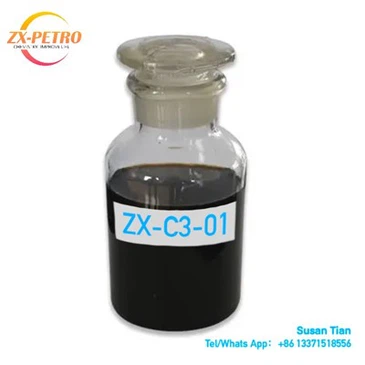
![Alkyl Pyridines Acetate]() Alkyl Pyridines AcetateZX-C3-01’s special molecular structure of heterocyclic alkyl pyridine makes it have the characteristic of adsorption type corrosion inhibitor. It is a natural raw material for synthesis of...read more
Alkyl Pyridines AcetateZX-C3-01’s special molecular structure of heterocyclic alkyl pyridine makes it have the characteristic of adsorption type corrosion inhibitor. It is a natural raw material for synthesis of...read more -
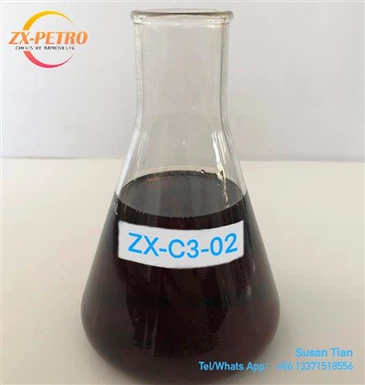
![Compound pyridine quaternary ammonium salt]() Compound pyridine quaternary ammonium saltCompound pyridine quaternary ammonium salt ZX-C3-02 heterocyclic alkyl pyridines ring N has a pair of lone electrons. Combining benzene ring structure, it makes N becomes active group and can...read more
Compound pyridine quaternary ammonium saltCompound pyridine quaternary ammonium salt ZX-C3-02 heterocyclic alkyl pyridines ring N has a pair of lone electrons. Combining benzene ring structure, it makes N becomes active group and can...read more -
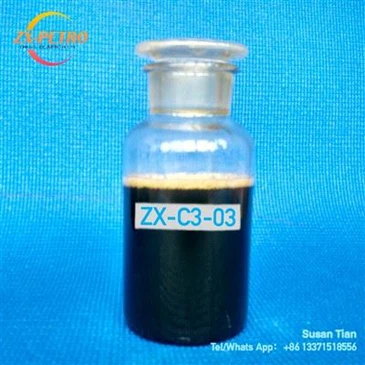
![Refinery Corrosion Inhibitor]() Refinery Corrosion InhibitorRefinery Corrosion Inhibitor ZX-C3-03 is a good tower top neutralization corrosion inhibitor, and is composed of home-grown composite pyridine quaternary ammonium salt as main ingredients and...read more
Refinery Corrosion InhibitorRefinery Corrosion Inhibitor ZX-C3-03 is a good tower top neutralization corrosion inhibitor, and is composed of home-grown composite pyridine quaternary ammonium salt as main ingredients and...read more -
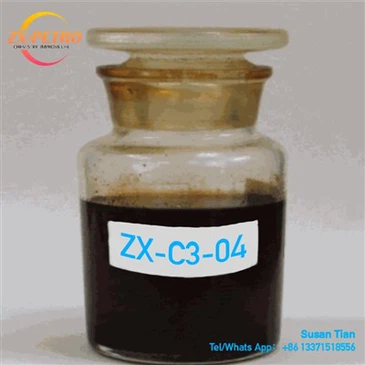
![Refinery Corrosion Inhibitor]() Refinery Corrosion InhibitorRefinery Corrosion Inhibitor ZX-C3-04 is a water-soluble corrosion inhibitor mainly used at the top of the refinery towers and composed of composite pyridine quaternary ammonium salt as main...read more
Refinery Corrosion InhibitorRefinery Corrosion Inhibitor ZX-C3-04 is a water-soluble corrosion inhibitor mainly used at the top of the refinery towers and composed of composite pyridine quaternary ammonium salt as main...read more -
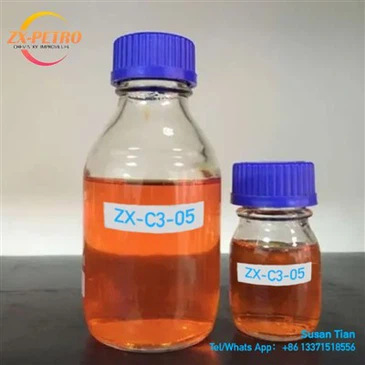
![Neutralization Corrosion Inhibitor]() Neutralization Corrosion InhibitorNeutralizing corrosion inhibitor ZX-C3-05 is an industrial anti-corrosion product that works in synergy with the neutralization of acidic substances and the formation of a film on the metal...read more
Neutralization Corrosion InhibitorNeutralizing corrosion inhibitor ZX-C3-05 is an industrial anti-corrosion product that works in synergy with the neutralization of acidic substances and the formation of a film on the metal...read more


What is a Refinery Corrosion Inhibitor?
A refinery corrosion inhibitor is a chemical additive that is used to prevent or slow down the process of corrosion in refinery equipment and systems. Corrosion occurs when metals react with their environment, causing them to degrade over time, which can lead to equipment failure, leaks, and other safety hazards. Refinery corrosion inhibitors work by forming a protective barrier on the metal surface, preventing corrosive agents from coming into contact with the metal, and/or by altering the chemistry of the environment to make it less corrosive. They can be used in a variety of refinery processes, including crude oil distillation, hydroprocessing, and sulfur recovery, among others. Proper selection and use of corrosion inhibitors are essential to maintaining the integrity and longevity of refinery equipment and ensuring safe and efficient operation.
Refinery corrosion inhibitors work in several ways to prevent or slow down corrosion in refineries. Here are some of the ways they work:
Formation of protective barrier: Corrosion inhibitors form a protective layer on the metal surface that acts as a barrier between the metal and the corrosive agents. This barrier prevents corrosive substances from coming into contact with the metal and thereby slows down the corrosion process.
Alteration of environment chemistry: Some corrosion inhibitors alter the chemistry of the environment to make it less corrosive. For example, they may raise the pH level of the environment, making it less acidic and thereby reducing the rate of corrosion.
Cathodic protection
Certain corrosion inhibitors provide cathodic protection by acting as a sacrificial anode. They attract the corrosive agents away from the metal surface, thereby protecting it from corrosion.
Prevention of pitting and crevice corrosion
Corrosion inhibitors can prevent pitting and crevice corrosion by filling the gaps and crevices on the metal surface and creating a smooth surface that prevents corrosive agents from penetrating the metal.
Reduction of friction and wear
Corrosion inhibitors can also reduce friction and wear between moving parts, thereby extending the life of the equipment and slowing down the corrosion process.
Different Types of Refinery Corrosion Inhibitors Available in the Market?
There are several types of refinery corrosion inhibitors available in the market, which can be broadly classified into the following categories based on their chemical composition and mode of action:
Phosphonates: Phosphonate-based inhibitors are commonly used to protect carbon steel and copper alloys from corrosive attack. They work by forming a protective layer on the metal surface that prevents corrosive species from coming into direct contact with the metal.
Polymers: Polymer-based inhibitors are typically used to protect non-ferrous metals such as aluminum, copper, and brass. They work by forming a thick barrier layer on the metal surface that prevents corrosive agents from penetrating the metal surface.
Amine Blends: Amine blends are a type of blended inhibitor that contains a combination of amines and other organic compounds. They are typically used to protect carbon steel and mild steel from corrosive attack, particularly in sour gas environments.
Film-Forming Amine (FFA): FFAs are a type of amine-based inhibitor that forms a protective film on the metal surface. They are typically used to protect carbon steel and stainless steel from corrosive attack in both aqueous and non-aqueous environments.
Molybdate-based Inhibitors: Molybdate-based inhibitors are commonly used to protect copper alloys and stainless steel from corrosive attack. They work by forming a protective layer of molybdate ions on the metal surface that prevents corrosive agents from penetrating the metal surface.
Zinc-based Inhibitors: Zinc-based inhibitors are typically used to protect carbon steel and other ferrous metals from corrosive attack. They work by providing a source of zinc ions that react with corrosive agents to form insoluble zinc salts that protect the metal surface.
Other Inhibitors: There are many other types of inhibitors available in the market, including silicates, nitrites, and phosphites, which are used to protect a range of metals and alloys from corrosive attack in different environments.
It is important to select the appropriate type of corrosion inhibitor based on the specific application and the type of metal being protected to ensure optimal protection against corrosive attack.
What are the Current Trends And Developments in the Field of Refinery Corrosion Inhibitors?


The field of refinery corrosion inhibitors continues to evolve, driven by advancements in technology, changing regulations, and the need for more efficient and environmentally friendly solutions. Here are some of the current trends and developments in this area:
Eco-friendly Corrosion Inhibitors: There is a growing demand for eco-friendly alternatives to traditional corrosion inhibitors, which can have adverse effects on the environment. Researchers are developing new formulations that minimize environmental impact while maintaining efficacy.
Customized Solutions: Refineries face unique challenges based on the type of crude oil processed, geographical location, and local regulations. Customized corrosion inhibitors are being developed to meet the specific needs of individual refineries.
Nanotechnology: Nanomaterials are emerging as promising corrosion inhibitors due to their unique properties, such as high surface-to-volume ratios and enhanced chemical reactivity. Nanocoatings and nanostructured materials are being investigated for their effectiveness in preventing corrosion.
Smart Inhibitors: The development of smart corrosion inhibitors, which are capable of reacting only under specific conditions, is gaining attention. These inhibitors can provide targeted protection and reduce waste by releasing active ingredients only when needed.
Integrated Monitoring Systems: Advanced monitoring technologies, such as sensors and online corrosion monitoring systems, are being integrated with corrosion inhibitor programs. Real-time data collection and analysis help in optimizing inhibitor dosage and addressing corrosion issues promptly.
Life Cycle Analysis: Refineries are increasingly conducting life cycle analyses to evaluate the overall impact of corrosion inhibitors throughout their service life. This includes assessing the environmental, economic, and social aspects of corrosion inhibitor use.
Collaboration and Innovation: Collaboration among industry stakeholders, research institutions, and technology providers is facilitating innovation in corrosion inhibitor development. Joint ventures and partnerships are driving the creation of new and improved inhibitor technologies.
Regulatory Compliance: Regulatory bodies are continually updating standards and guidelines related to corrosion inhibitors. Refineries must comply with these regulations to ensure the safe and effective use of corrosion inhibitors.
Digitalization: The digital transformation of the oil and gas industry is impacting the development and application of corrosion inhibitors. Advanced data analytics, predictive maintenance tools, and digital twins are enabling more precise management of corrosion inhibitor programs.
Refineries can stay up-to-date with the latest technologies and best practices in the petroleum industry through various means. Here are some strategies:
Continuous Education: Refinery staff should participate in regular training sessions, workshops, and conferences related to refining technologies and safety practices. This can help them stay informed about new developments and advancements in the field.
Technology Fairs and Events: Attending technology fairs, exhibitions, and industry events allows refinery professionals to see firsthand the latest technologies, equipment, and processes. Networking with peers and experts at these events can also provide valuable insights.
Industry Publications and Journals: Regularly reading trade publications, technical journals, and industry reports keeps refinery personnel informed about current trends, research findings, and regulatory updates.
Collaboration with Suppliers: Establishing strong relationships with technology suppliers and manufacturers can provide access to the latest product information, technical support, and opportunities for collaborative innovation.
Digital Transformation: Embracing digital technologies such as automation, data analytics, Internet of Things (IoT), and digital twins can enhance efficiency, safety, and decision-making within the refinery.
Investment in Research and Development (R&D): Allocating resources towards R&D activities can foster innovation and the development of new processes or improvements to existing ones.
Environmental Compliance: Staying current with environmental regulations and adopting green refining practices ensures the refinery is up-to-date with the latest sustainability standards.
Benchmarking: Comparing performance metrics with other refineries can highlight areas of improvement and inspire the adoption of best practices from across the industry.
Process Optimization: Implementing advanced process control systems and real-time optimization software can help refine operations and increase throughput while reducing energy consumption and emissions.
Safety Culture: Cultivating a strong safety culture throughout the refinery ensures that safety practices remain a top priority and are continuously improved upon.
What is Neutralization Corrosion Inhibitor?
A Neutralization Corrosion Inhibitor (also known as neutralizing amine or basic corrosion inhibitor) is a type of chemical compound that is used to prevent or mitigate corrosive damage to metal surfaces, especially in industrial settings such as refineries, pipelines, and process equipment. The primary mechanism of action of a neutralization corrosion inhibitor is to neutralize the acids that can cause corrosive attack on metals.
Neutralization corrosion inhibitors work by counteracting the corrosive effect of acids through a chemical reaction that converts the harmful acids into harmless salts and water. These inhibitors typically contain basic compounds such as amines, phosphates, and carbonates that have the ability to react with and neutralize acidic species.
Here's how a neutralization corrosion inhibitor works
Acid Neutralization: Acids can dissolve protective oxide layers on metal surfaces, leading to localized corrosion and pitting. Neutralization corrosion inhibitors react with these acids to form non-corrosive salts and water.
Passivation: The reaction products formed during the neutralization process can act as a barrier layer on the metal surface, helping to passivate the surface and prevent further corrosive attacks.
Buffer Action: Some neutralization corrosion inhibitors have buffering capabilities, which help in maintaining a stable pH environment around the metal surface and preventing fluctuations that could lead to corrosive conditions.
In contrast to other types of corrosion inhibitors, such as film-forming inhibitors or pore blocking inhibitors, which primarily function by forming a physical barrier on the metal surface, neutralization inhibitors primarily rely on chemical reactions to neutralize corrosive agents.
It's important to note that while neutralization corrosion inhibitors are effective against acidic corrosion, they may not be sufficient for other types of corrosion, such as galvanic corrosion, crevice corrosion, or stress corrosion cracking. Therefore, a combination of different corrosion inhibitors might be required to provide comprehensive protection against various types of corrosion in industrial applications.
How Does the Neutralization Corrosion Inhibitor Work to Prevent or Slow Down Corrosion?
The Neutralization Corrosion Inhibitor works to prevent or slow down corrosion by chemically reacting with and neutralizing the acids that can cause corrosive damage to metal surfaces. Here's a step-by-step explanation of how it works:
Identification of Acidic Conditions
In many industrial processes, the presence of acidic substances can lead to corrosive damage to metal surfaces. The first step in the action of a neutralization corrosion inhibitor is to identify and locate areas where acidic conditions exist.


Prevention of Pitting and Localized Corrosion
By neutralizing the acids and forming a protective barrier, the neutralization corrosion inhibitor helps prevent pitting and localized corrosion, which can otherwise lead to severe damage and failure of metal structures.
Chemical Reaction
Once the acidic substances are detected, the neutralization inhibitor undergoes a chemical reaction with these acids. The basic compounds in the inhibitor, such as amines or phosphates, react with the acids to form non-corrosive salts and water. This reaction effectively neutralizes the acids and renders them harmless.


Formation of Protective Layer
As the acidic substances are neutralized, the reaction products can act as a protective layer on the metal surface. This barrier helps to passivate the surface and prevents further corrosive attacks. The protective layer formed may also serve as a barrier to prevent the diffusion of corrosive species towards the metal surface.
Maintenance of Stable pH Environment
Some neutralization corrosion inhibitors have buffering capabilities that help maintain a stable pH environment around the metal surface. By keeping the pH levels within an optimal range, these inhibitors prevent sudden changes that could lead to corrosive conditions.


It's worth noting that while neutralization corrosion inhibitors are effective against acidic corrosion, they may not be sufficient for other types of corrosion, such as galvanic corrosion, crevice corrosion, or stress corrosion cracking. Therefore, a combination of different corrosion inhibitors might be required to provide comprehensive protection against various types of corrosion in industrial applications.
What is the Difference Between Rust Inhibitor and Corrosion Inhibitor?
The terms "rust inhibitor" and "corrosion inhibitor" are often used interchangeably, as they both refer to chemicals that prevent or slow down the process of oxidation and degradation of metals. However, there can be subtle differences in their usage and application depending on the context and industry standards.
Generally speaking, "rust inhibitor" tends to be more colloquially used and often refers specifically to inhibitors designed to prevent or slow down the formation of iron oxide, commonly known as rust, on iron and steel surfaces. Rust is a form of general corrosion that occurs when iron or its alloys, such as steel, are exposed to oxygen and moisture. Rust inhibitors are typically used for maintenance and protection purposes in situations where iron and steel are at risk of oxidation.
On the other hand, "corrosion inhibitor" is a more broadly encompassing term that includes rust inhibitors but also extends to chemicals that protect against a wider range of corrosive mechanisms. Corrosion inhibitors can be used to prevent or slow down various forms of corrosion, including galvanic corrosion, pitting, crevice corrosion, and stress corrosion cracking, among others. These inhibitors are often used in more complex industrial applications where multiple types of corrosion can occur simultaneously.
In summary, while rust inhibitors are a type of corrosion inhibitor specifically aimed at preventing or slowing down the formation of rust on iron and steel, corrosion inhibitors are a broader category of chemicals designed to protect against a wider range of corrosive processes affecting various metals and alloys.
Our Factory
Key employees of our company have rich experience in the chemical industry and more than 20 years of working experience in global international companies, and be familiar with international business, trade rules and domestic chemical industry.Our business has been involving many countries, widely sold in the Middle East, Central and Western Asia, Indonesia, India, Bangladesh, Russia, and other countries.


FAQ
As one of the most professional intermediate and refinery corrosion inhibitor manufacturers and suppliers in China, we're featured by quality products and competitive price. Please rest assured to buy customized intermediate and refinery corrosion inhibitor from our factory.
Neutralization Corrosion Inhibitor, Alkyl Pyridine Quaternary Ammonium Salt, Corrosion Inhibitor for Refinery