

As a supplier of Hydroxyl Iron Desulfurizer, I often receive inquiries from customers about the applicability of our product in various desulfurization scenarios, especially when it comes to high - sulfur content waste gas treatment. In this blog, I will delve into the feasibility and effectiveness of using hydroxyl iron desulfurizer in such challenging conditions.
Understanding High - Sulfur Content Waste Gas
High - sulfur content waste gas is a significant environmental and industrial concern. It is commonly generated in industries such as oil refining, coal gasification, and some chemical manufacturing processes. The presence of high levels of sulfur compounds, mainly hydrogen sulfide (H₂S) and sulfur dioxide (SO₂), not only poses health risks to humans but also causes corrosion to equipment, reduces the efficiency of industrial processes, and contributes to air pollution, leading to acid rain and other environmental problems.
The desulfurization of high - sulfur content waste gas is a complex task due to the high concentration of sulfur compounds, which requires a desulfurizer with high reactivity, large sulfur capacity, and good stability.
Properties and Working Mechanism of Hydroxyl Iron Desulfurizer
Properties
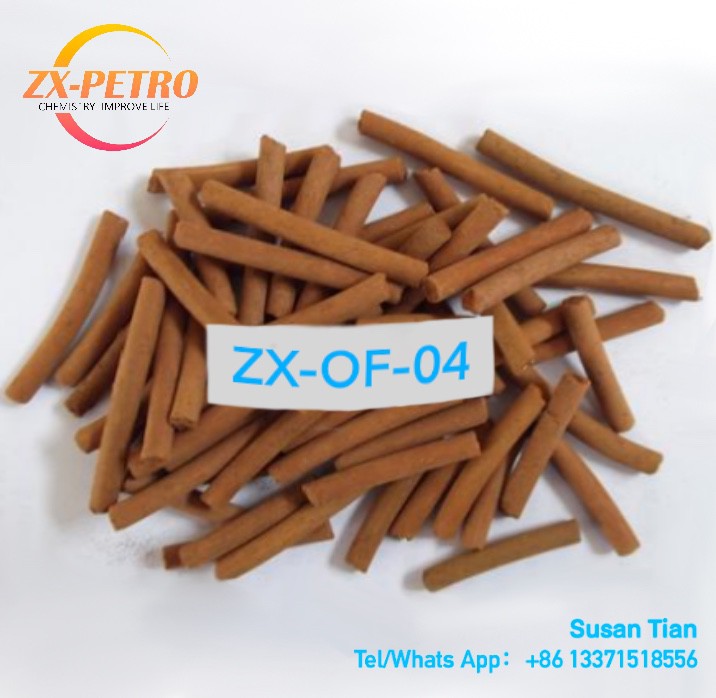
Hydroxyl iron desulfurizer, also known as Ferric hydroxide desulfurizer, is a type of solid desulfurizer. It has several advantageous properties. Firstly, it has a large specific surface area, which provides more active sites for the reaction with sulfur compounds. Secondly, it is relatively stable under normal conditions and can maintain its desulfurization performance over a certain temperature and pressure range. Thirdly, it is non - toxic and environmentally friendly, which is in line with the current trend of sustainable development.
Working Mechanism
The main active component of hydroxyl iron desulfurizer is ferric hydroxide (Fe(OH)₃). When it comes into contact with sulfur compounds in the waste gas, it undergoes a chemical reaction. For example, when reacting with hydrogen sulfide (H₂S), the reaction can be represented as follows:
2Fe(OH)₃ + 3H₂S = Fe₂S₃+ 6H₂O

Over time, Fe₂S₃ may further react with oxygen in the air during the regeneration process:
4Fe₂S₃+ 9O₂+ 6H₂O = 8Fe(OH)₃ + 12S
This reaction shows that the desulfurizer can be regenerated by oxidation, which is an important characteristic for continuous desulfurization operations.
Suitability of Hydroxyl Iron Desulfurizer for High - Sulfur Content Waste Gas
Advantages
- High Reactivity: Hydroxyl iron desulfurizer has high reactivity towards sulfur compounds, especially hydrogen sulfide. The large number of active iron - hydroxyl groups on its surface can quickly react with sulfur species, enabling rapid removal of sulfur from the waste gas.
- Large Sulfur Capacity: Due to its porous structure and high - surface - area nature, the desulfurizer can adsorb a relatively large amount of sulfur. This is crucial in high - sulfur content waste gas treatment, as it can reduce the frequency of desulfurizer replacement, thereby saving costs and improving process efficiency.
- Regenerability: As mentioned above, the desulfurizer can be regenerated, which is a significant advantage in long - term desulfurization processes. By simply introducing air into the desulfurization system under appropriate conditions, the spent desulfurizer can be regenerated, and its desulfurization performance can be restored.
Limitations
- Kinetic Restrictions: In high - sulfur content waste gases, the high concentration of sulfur compounds may lead to rapid saturation of the desulfurizer's active sites. This can slow down the reaction rate over time, especially if the gas flow rate is high. As a result, the desulfurization efficiency may decrease, and the regeneration frequency may need to be increased.
- Temperature and Humidity Sensitivity: The performance of hydroxyl iron desulfurizer is affected by temperature and humidity. In high - sulfur content waste gas treatment, if the temperature is too high or the humidity is too low, the desulfurization efficiency may be reduced. For example, at high temperatures, the structure of the desulfurizer may change, leading to a decrease in its specific surface area and active sites.
Strategies to Improve the Performance in High - Sulfur Content Waste Gas
Process Optimization
- Multi - stage Desulfurization: By using a multi - stage desulfurization process, the high - sulfur content waste gas can be treated step - by - step. This can reduce the load on each stage of the desulfurizer, improve the overall desulfurization efficiency, and extend the service life of the desulfurizer.
- Control of Gas Flow Rate: Adjusting the gas flow rate is crucial. A too - high gas flow rate may cause the waste gas to pass through the desulfurizer too quickly, resulting in incomplete reaction. On the other hand, a too - low gas flow rate may reduce the processing capacity of the desulfurization system. Therefore, an appropriate gas flow rate should be determined based on the characteristics of the waste gas and the desulfurizer.
Combination with Other Desulfurizers
- Hybrid Desulfurization Systems: Hydroxyl iron desulfurizer can be combined with other types of desulfurizers, such as Triazine desulfurizer. Triazine desulfurizer is a liquid desulfurizer with high reactivity and can quickly remove a large amount of sulfur compounds in the initial stage. Then, the hydroxyl iron desulfurizer can be used for further fine desulfurization to ensure that the sulfur content in the treated gas meets the required standards.
Use of Auxiliary Agents
- Defoamers: In some desulfurization processes, foam may be generated, which can interfere with the normal operation of the system. The use of Polyether - based Defoamer can effectively eliminate foam, improve the mass transfer efficiency between the waste gas and the desulfurizer, and thus enhance the desulfurization performance.
Conclusion
In conclusion, hydroxyl iron desulfurizer has the potential to be used in the desulfurization process of high - sulfur content waste gas. Although it has some limitations, through process optimization, combination with other desulfurizers, and the use of auxiliary agents, its performance can be significantly improved. Our company, as a professional supplier of hydroxyl iron desulfurizer, is committed to providing high - quality products and comprehensive technical support. If you are facing challenges in high - sulfur content waste gas treatment or are interested in our desulfurizer products, please feel free to contact us for more information and procurement discussions.
References
- Smith, J. (2018). Desulfurization Technologies for High - Sulfur Industrial Waste Gases. Journal of Environmental Engineering, 45(2), 123 - 135.
- Brown, A. (2019). Performance Evaluation of Hydroxyl - Based Desulfurizers in Different Gas Compositions. Industrial & Engineering Chemistry Research, 58(10), 4567 - 4578.