

Can a desalting demulsifier be used in the treatment of bitumen?
Bitumen, a thick and viscous form of petroleum, presents unique challenges in its treatment and processing. One key aspect of bitumen treatment is the separation of water and salts from the bitumen matrix, which is crucial for improving the quality of the final product and preventing corrosion in downstream processing equipment. This is where desalting demulsifiers come into play. As a supplier of desalting demulsifiers, I am often asked whether these products can be effectively used in the treatment of bitumen. In this blog post, I will explore this question in detail, discussing the properties of bitumen, the role of desalting demulsifiers, and the potential benefits and limitations of using desalting demulsifiers in bitumen treatment.
Properties of Bitumen
Bitumen is a complex mixture of hydrocarbons, resins, and asphaltenes. It has a high viscosity, which makes it difficult to handle and process. Additionally, bitumen often contains significant amounts of water and salts, which can cause problems during refining and other downstream processes. The water in bitumen can form emulsions, which are stable mixtures of water and oil. These emulsions can be difficult to break, and if not properly treated, can lead to corrosion, fouling, and other operational issues.

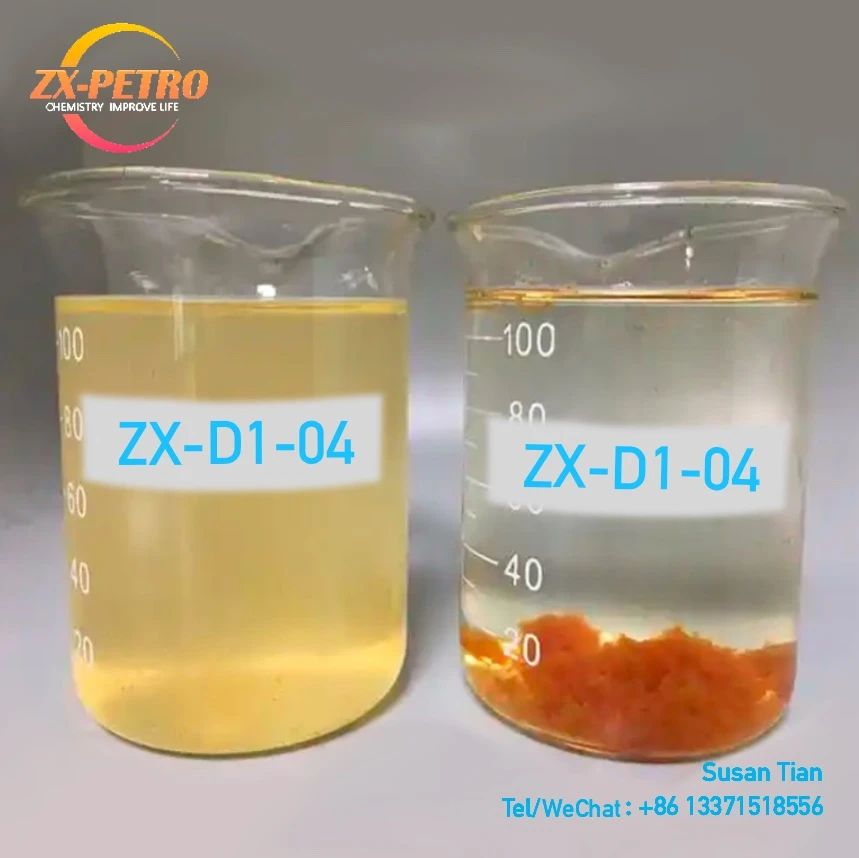
Role of Desalting Demulsifiers
Desalting demulsifiers are chemicals that are designed to break emulsions and separate water and salts from oil. They work by reducing the surface tension between the water and oil phases, allowing the water droplets to coalesce and separate from the oil. In the context of bitumen treatment, desalting demulsifiers can help to remove water and salts from the bitumen, improving its quality and reducing the risk of corrosion and other problems in downstream processing.
Potential Benefits of Using Desalting Demulsifiers in Bitumen Treatment
There are several potential benefits of using desalting demulsifiers in the treatment of bitumen. Firstly, desalting demulsifiers can help to improve the quality of the bitumen by removing water and salts. This can lead to a more stable and consistent product, which is less likely to cause problems during refining and other downstream processes. Secondly, desalting demulsifiers can help to reduce the corrosion and fouling of equipment in the refining process. By removing water and salts from the bitumen, the risk of corrosion and fouling is reduced, which can extend the lifespan of the equipment and reduce maintenance costs. Thirdly, desalting demulsifiers can help to improve the efficiency of the refining process. By breaking the emulsions and separating the water and salts from the bitumen, the refining process can be more efficient, leading to higher yields and lower energy consumption.
Limitations of Using Desalting Demulsifiers in Bitumen Treatment
While there are potential benefits to using desalting demulsifiers in the treatment of bitumen, there are also some limitations. One of the main limitations is the high viscosity of bitumen. The high viscosity can make it difficult for the desalting demulsifier to penetrate the bitumen matrix and reach the water droplets. This can reduce the effectiveness of the demulsifier and make it more difficult to achieve complete separation of the water and salts from the bitumen. Another limitation is the presence of asphaltenes in bitumen. Asphaltenes are large, complex molecules that can form stable emulsions with water. These emulsions can be difficult to break, even with the use of desalting demulsifiers. Additionally, asphaltenes can adsorb onto the surface of the demulsifier, reducing its effectiveness.
Types of Desalting Demulsifiers for Bitumen Treatment
There are several types of desalting demulsifiers that can be used in the treatment of bitumen. One type is the Oil Soluble Demulsifier, which is designed to dissolve in the oil phase and break the emulsions from the inside out. Another type is the Reversed demulsifier, which is designed to work in the water phase and break the emulsions from the outside in. A third type is the Demulsifier for Top Oil, which is specifically designed for use in the treatment of bitumen and other heavy oils.
Factors to Consider When Choosing a Desalting Demulsifier for Bitumen Treatment
When choosing a desalting demulsifier for bitumen treatment, there are several factors to consider. Firstly, the type of bitumen being treated is an important factor. Different types of bitumen have different properties, and the demulsifier needs to be selected based on the specific properties of the bitumen. Secondly, the operating conditions of the treatment process are also important. The temperature, pressure, and flow rate of the process can all affect the performance of the demulsifier. Thirdly, the cost of the demulsifier is also a factor to consider. While it is important to choose a demulsifier that is effective, it is also important to choose a demulsifier that is cost-effective.
Conclusion
In conclusion, desalting demulsifiers can be used in the treatment of bitumen, but there are some limitations. The high viscosity of bitumen and the presence of asphaltenes can make it difficult to achieve complete separation of the water and salts from the bitumen. However, by choosing the right type of desalting demulsifier and considering the specific properties of the bitumen and the operating conditions of the treatment process, it is possible to achieve effective separation of the water and salts from the bitumen. As a supplier of desalting demulsifiers, we have a range of products that are specifically designed for use in the treatment of bitumen. If you are interested in learning more about our products or would like to discuss your specific needs, please contact us for a detailed consultation and procurement discussion.
References
- Smith, J. (2018). Bitumen Treatment and Processing. Elsevier.
- Jones, A. (2019). Demulsifiers for Oil and Gas Applications. Wiley.
- Brown, C. (2020). Advances in Bitumen Technology. Springer.