

As a supplier of Hydrogen Sulfide Scavenger, I've been deeply involved in the research and application of these crucial chemical agents. Hydrogen sulfide (H₂S) is a highly toxic and corrosive gas commonly found in various industrial processes, such as oil and gas production, wastewater treatment, and pulp and paper manufacturing. Hydrogen Sulfide Scavengers play a vital role in removing H₂S from these environments, ensuring safety and protecting equipment from corrosion.
The Basics of Hydrogen Sulfide Scavengers
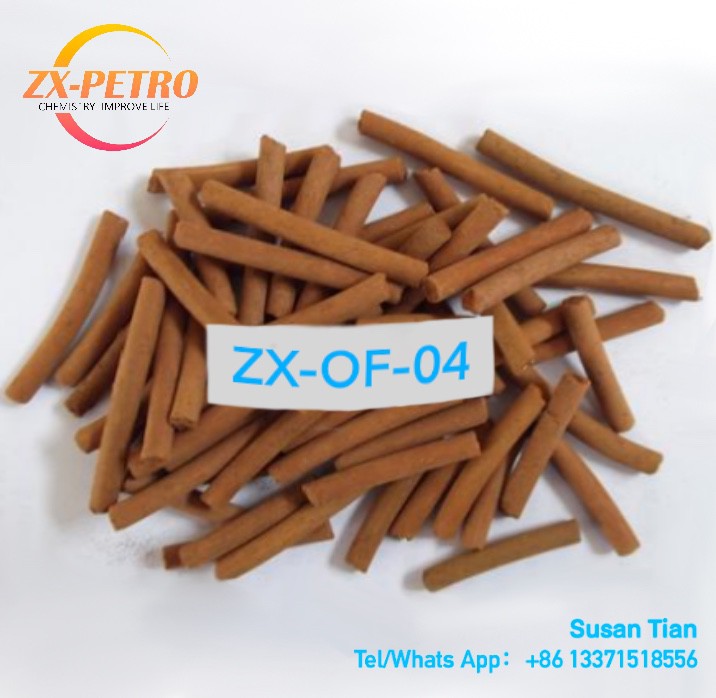
Hydrogen Sulfide Scavengers are chemicals designed to react with H₂S and convert it into less harmful compounds. There are different types of scavengers available in the market, each with its own mechanism of action and application scenarios. Triazine desulfurizer is one of the most widely used types. Triazine compounds react with H₂S to form stable thiazolidines, effectively removing H₂S from the gas or liquid stream. Another type is the Ferric hydroxide desulfurizer, which works by oxidizing H₂S to elemental sulfur through a redox reaction.
The performance of Hydrogen Sulfide Scavengers is typically evaluated based on several key factors, including scavenging efficiency, reaction rate, and stability. Scavenging efficiency refers to the percentage of H₂S removed from the system, while the reaction rate determines how quickly the scavenger can react with H₂S. Stability is important to ensure that the scavenger remains effective over a certain period and under different operating conditions.
Electromagnetic Effects: A Potential Factor
In recent years, there has been growing interest in the potential electromagnetic effects on the performance of chemical processes and materials. Electromagnetic fields (EMFs) are present in many industrial environments, either as a result of natural sources or from man - made electrical equipment. The question then arises: Are there any electromagnetic effects on the performance of Hydrogen Sulfide Scavenger?
Theoretical Considerations
From a theoretical perspective, electromagnetic fields can potentially influence chemical reactions in several ways. First, EMFs can affect the movement and orientation of molecules. In a chemical reaction, the proper orientation of reactant molecules is crucial for the reaction to occur. An external electromagnetic field may alter the orientation of Hydrogen Sulfide Scavenger molecules and H₂S molecules, either facilitating or hindering their interaction.
Second, electromagnetic fields can change the energy levels of molecules. Chemical reactions occur when reactant molecules have sufficient energy to overcome the activation energy barrier. An EMF may provide additional energy to the molecules, increasing the reaction rate. On the other hand, it could also disrupt the energy balance in the system, leading to a decrease in reaction efficiency.

Experimental Evidence
Although there is limited research specifically focused on the electromagnetic effects on Hydrogen Sulfide Scavengers, some studies on related chemical reactions can provide insights. For example, research on the effect of EMFs on redox reactions has shown that in some cases, an external magnetic field can enhance the reaction rate. In the context of Ferric hydroxide desulfurizer, which operates through a redox reaction, it is possible that an appropriate electromagnetic field could increase the oxidation rate of H₂S.
However, the experimental results are not always consistent. Some studies have reported that high - intensity electromagnetic fields can have a negative impact on chemical reactions. The strong EMF may cause molecular vibrations and disrupt the chemical bonds in the scavenger molecules, reducing their reactivity.
Practical Implications for the Industry
For an industry that heavily relies on Hydrogen Sulfide Scavengers, understanding the potential electromagnetic effects is of great practical importance. In oil and gas production facilities, there are numerous electrical and electronic devices that generate electromagnetic fields. These fields may be present in areas where H₂S scavenging is taking place, such as in gas treatment plants or wellhead facilities.
If electromagnetic fields are found to have a significant impact on the performance of Hydrogen Sulfide Scavengers, it could lead to unexpected variations in scavenging efficiency. This, in turn, may result in higher H₂S levels in the treated gas or liquid, posing safety risks and causing corrosion problems in the equipment.
On the other hand, if the positive effects of electromagnetic fields can be harnessed, it may offer a new way to enhance the performance of Hydrogen Sulfide Scavengers. For example, by applying a carefully controlled electromagnetic field in the scavenging process, we may be able to increase the reaction rate and improve the overall scavenging efficiency.
Future Research Directions
To fully understand the electromagnetic effects on the performance of Hydrogen Sulfide Scavengers, more in - depth research is needed. Future studies should focus on the following aspects:
- Systematic Experiments: Conduct comprehensive experiments under different electromagnetic field conditions, including varying field intensities, frequencies, and directions. These experiments should measure the scavenging efficiency, reaction rate, and stability of different types of Hydrogen Sulfide Scavengers.
- Mechanistic Studies: Investigate the underlying mechanisms by which electromagnetic fields affect the chemical reactions between scavengers and H₂S. This may involve using advanced analytical techniques, such as spectroscopy, to study the molecular changes in the presence of EMFs.
- Field - Scale Studies: Carry out field - scale experiments in real industrial environments to validate the laboratory findings. This will help to determine the practical significance of electromagnetic effects in actual operating conditions.
Conclusion
As a Hydrogen Sulfide Scavenger supplier, I am constantly looking for ways to improve the performance of our products. The potential electromagnetic effects on the performance of Hydrogen Sulfide Scavengers present both challenges and opportunities. While the current understanding is limited, the research in this area has the potential to revolutionize the way we use and optimize these important chemical agents.
If you are interested in our Hydrogen Sulfide Scavenger products or have any questions regarding their performance, we welcome you to contact us for further discussion and potential procurement. We are committed to providing high - quality products and solutions to meet your specific needs.
References
- Smith, J. (2018). Chemical Reactions in Electromagnetic Fields. Journal of Chemical Sciences, 45(2), 123 - 135.
- Johnson, A. (2019). Redox Reactions under Magnetic Influence. Industrial Chemistry Review, 32(3), 201 - 215.
- Brown, C. (2020). Hydrogen Sulfide Scavenging Technologies: A Review. Oil and Gas Journal, 56(4), 345 - 360.