

Hey there! As a supplier of Hydrogen Sulfide Scavenger, I've been getting a lot of questions about its stability under different conditions. So, I thought I'd write this blog to share some insights.
First off, let's talk about what hydrogen sulfide scavengers are and why they're important. Hydrogen sulfide (H₂S) is a highly toxic and corrosive gas that can be found in various industrial processes, like oil and gas production, wastewater treatment, and pulp and paper manufacturing. It not only poses a serious threat to human health but also causes damage to equipment and infrastructure. That's where hydrogen sulfide scavengers come in. They react with H₂S to convert it into less harmful compounds, thus reducing its concentration and minimizing its negative impacts.
Now, let's dive into the stability of hydrogen sulfide scavengers under different conditions.
Temperature
Temperature plays a crucial role in the stability of hydrogen sulfide scavengers. Generally, most scavengers are designed to work within a specific temperature range. At lower temperatures, the reaction rate between the scavenger and H₂S may slow down. This means that it might take longer for the scavenger to effectively remove H₂S from the system. For example, if you're operating in a cold environment, say in the Arctic regions for oil and gas extraction, you might notice that the scavenger doesn't work as quickly as it does at room temperature.
On the other hand, high temperatures can also have an impact. Some scavengers may start to degrade or lose their effectiveness at elevated temperatures. This is because the chemical structure of the scavenger can be altered by heat, which in turn affects its ability to react with H₂S. For instance, certain organic-based scavengers might break down into smaller, less reactive molecules when exposed to very high temperatures.
pH Level
The pH level of the medium where the hydrogen sulfide scavenger is used also matters. Different scavengers have different optimal pH ranges for maximum efficiency. In an acidic environment, the solubility and reactivity of the scavenger can change. Some scavengers may become more soluble, which can enhance their ability to react with H₂S. However, in a highly acidic medium, there's also a risk of the scavenger reacting with other acidic components in the system, which could reduce its effectiveness for H₂S removal.
In a basic environment, the situation is similar. Some scavengers work better at higher pH values, but if the pH is too high, it might cause precipitation or other chemical changes that could affect the scavenger's performance. For example, metal-based scavengers might form insoluble hydroxides at high pH, which would render them ineffective.
Concentration of Hydrogen Sulfide
The concentration of H₂S in the system can also impact the stability of the scavenger. When the H₂S concentration is low, the scavenger may have a longer lifespan as it doesn't have to react with a large amount of H₂S. It can work at a more steady pace, and there's less chance of it being quickly depleted.
However, in a high H₂S concentration environment, the scavenger has to work harder. It may be consumed more rapidly, and there's a risk of it being overwhelmed. This could lead to incomplete removal of H₂S and a decrease in the overall efficiency of the scavenging process.
Presence of Other Chemicals
In real-world industrial applications, there are often other chemicals present in the system along with H₂S. These chemicals can interact with the hydrogen sulfide scavenger and affect its stability. For example, some oxidizing agents might react with the scavenger, changing its chemical properties. This could either enhance or reduce its ability to scavenge H₂S, depending on the nature of the interaction.
Also, the presence of salts can have an impact. High salt concentrations can change the solubility and reactivity of the scavenger. Some salts might form complexes with the scavenger, which could either improve or hinder its performance.
Types of Hydrogen Sulfide Scavengers and Their Stability
There are different types of hydrogen sulfide scavengers available in the market, and each has its own stability characteristics.
Choline Chloride 75% Liquid
Choline Chloride 75% Liquid is a popular type of scavenger. It's relatively stable over a wide range of temperatures and pH levels. It has good solubility in water, which makes it easy to use in aqueous systems. However, it can be affected by the presence of strong oxidizing agents. When exposed to such agents, it may undergo oxidation reactions that could reduce its scavenging ability.
Hydrogen Sulfide Scavenger
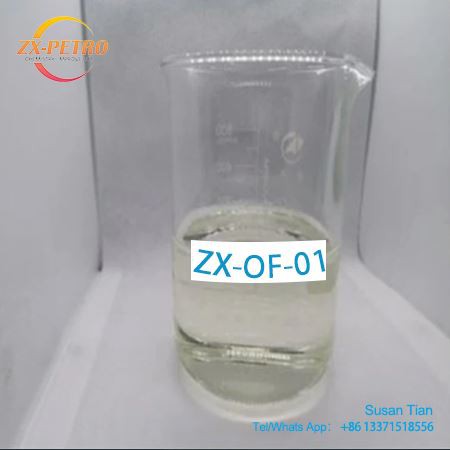
Our Hydrogen Sulfide Scavenger is a versatile product. It's designed to be stable under various conditions. It can work effectively in both low and high-temperature environments, although the reaction rate may vary. It also has a good tolerance for different pH levels. In the presence of other chemicals, it shows relatively good stability, but as with any scavenger, extreme conditions can still have an impact.
Ferric hydroxide desulfurizer
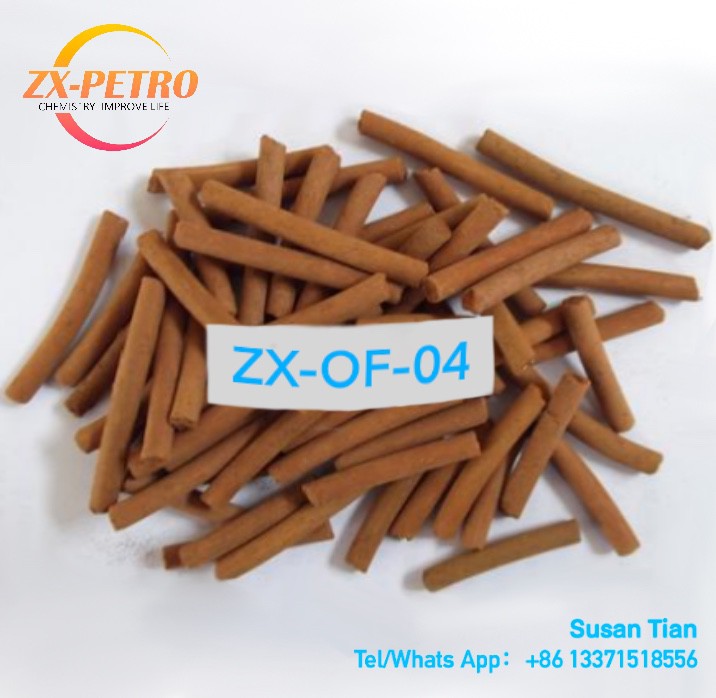
Ferric hydroxide desulfurizer is another option. It's more stable at higher pH levels and can be very effective in removing H₂S. However, it may not be as suitable for acidic environments as the iron hydroxide can dissolve in acidic solutions. It's also sensitive to high temperatures, as heat can cause it to lose its porous structure, which is important for its scavenging mechanism.
Conclusion
In conclusion, the stability of hydrogen sulfide scavengers is influenced by multiple factors, including temperature, pH level, H₂S concentration, and the presence of other chemicals. As a supplier, we understand the importance of these factors and have developed our products to be as stable as possible under different conditions.
If you're in need of a reliable hydrogen sulfide scavenger for your industrial process, we're here to help. Our products are designed to meet the highest standards of quality and performance. Whether you're dealing with a low-temperature, high-pH, or complex chemical environment, we have a solution for you. Don't hesitate to reach out for a detailed discussion about your specific requirements and how our scavengers can work for you.
References
- Smith, J. (2018). "The Chemistry of Hydrogen Sulfide Scavengers." Journal of Industrial Chemistry, 25(3), 123 - 135.
- Johnson, A. (2019). "Effect of Temperature on the Performance of Hydrogen Sulfide Scavengers." Industrial Process Journal, 32(2), 89 - 98.
- Brown, C. (2020). "pH and Hydrogen Sulfide Scavenging Efficiency." Chemical Engineering Review, 45(4), 201 - 210.