

As a supplier of Hydrogen Sulfide Scavenger, safety data sheets (SDS) are an essential part of our commitment to providing comprehensive information about our products. In this blog, we will explore the availability of safety data sheets for Hydrogen Sulfide Scavenger, their importance, and how they contribute to safe handling and usage.
Availability of Safety Data Sheets
Yes, safety data sheets are readily available for our Hydrogen Sulfide Scavenger products. We understand the critical role that SDS play in ensuring the safety of our customers, employees, and the environment. Therefore, we make it a priority to provide detailed and up - to - date SDS for all our Hydrogen Sulfide Scavenger offerings.
Our SDS can be obtained through multiple channels. Customers can request them directly from our sales representatives. Additionally, they are also available on our official website. When you visit our [Hydrogen Sulfide Scavenger](oilfield - chemical/desulfurizer - and - dechlorinating - agent/hydrogen - sulfide - scavenger.html) product page, there is usually a section where you can download the relevant safety data sheet. This easy access ensures that anyone who needs information about the product's hazards, handling procedures, and emergency response measures can obtain it quickly.
Importance of Safety Data Sheets
Safety data sheets are not just a formality; they are a crucial source of information for anyone involved in the handling, storage, and use of Hydrogen Sulfide Scavenger.
Hazard Communication
One of the primary functions of an SDS is to communicate the potential hazards associated with the product. Hydrogen Sulfide Scavenger is used to remove hydrogen sulfide, a highly toxic and flammable gas, from various environments such as oil and gas production facilities. The SDS provides clear information about the physical and chemical properties of the scavenger, including its flammability, reactivity, and toxicity. For example, it will indicate if the scavenger is corrosive, which could pose a risk to skin and eyes upon contact. This information allows users to take appropriate precautions to protect themselves and their surroundings.
Safe Handling and Storage
The SDS also contains detailed instructions on how to handle and store the Hydrogen Sulfide Scavenger safely. It provides guidelines on proper personal protective equipment (PPE) such as gloves, goggles, and respirators that should be worn when working with the product. For storage, it will specify the temperature, humidity, and ventilation requirements to prevent degradation of the product and reduce the risk of accidents. For instance, some scavengers may need to be stored in a cool, dry place away from direct sunlight and incompatible materials.
Emergency Response
In the event of an accident or spill, the SDS serves as a quick reference guide for emergency responders. It provides information on first - aid measures for exposure to the scavenger, including symptoms to watch for and the appropriate treatment. It also details the steps to take in case of a fire, spill, or release, such as the use of suitable extinguishing agents and spill - control materials. This can significantly reduce the impact of an incident and prevent further harm.
Different Types of Hydrogen Sulfide Scavengers and Their SDS
We offer a variety of Hydrogen Sulfide Scavenger products, each with its own unique characteristics and safety requirements.

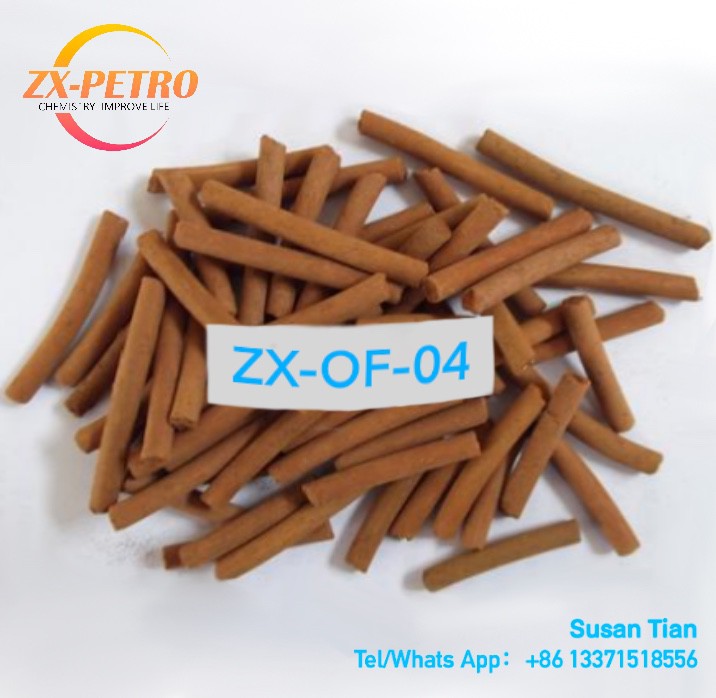
Hydroxyl Iron Desulfurizer
Our [Hydroxyl Iron Desulfurizer](oilfield - chemical/desulfurizer - and - dechlorinating - agent/hydroxyl - iron - desulfurizer.html) is a popular choice for hydrogen sulfide removal. The SDS for this product will highlight its specific chemical composition and how it reacts with hydrogen sulfide. It will also provide information on the potential side - products of the reaction and any associated hazards. For example, if the reaction produces a solid by - product, the SDS will explain how to handle and dispose of it safely.
Triazine H2S Scavenger
The [Triazine H2S Scavenger](oilfield - chemical/desulfurizer - and - dechlorinating - agent/trizaine - h2s - scavenger.html) is another effective solution for removing hydrogen sulfide. Its SDS will focus on the unique properties of triazine - based compounds. Triazine scavengers are known for their high reactivity with hydrogen sulfide, but they may also have specific handling requirements due to their chemical nature. The SDS will detail any potential health risks associated with exposure to triazine, such as respiratory irritation or skin sensitization, and provide guidance on minimizing these risks.
Compliance with Regulations
Safety data sheets are not only important for safety reasons but also for regulatory compliance. In many countries, there are strict regulations governing the provision of SDS for hazardous chemicals. Our company is fully committed to complying with these regulations. Our SDS are prepared in accordance with international standards such as the Globally Harmonized System of Classification and Labelling of Chemicals (GHS). This ensures that our customers receive consistent and accurate information about our products, regardless of their location.
Conclusion
In conclusion, safety data sheets are an integral part of our Hydrogen Sulfide Scavenger product offerings. They provide essential information about the hazards, handling, storage, and emergency response for our products. We are dedicated to making these SDS easily accessible to our customers to ensure the safe and responsible use of our Hydrogen Sulfide Scavengers.
If you are interested in our Hydrogen Sulfide Scavenger products and would like to learn more about their safety data sheets or have any other questions, we encourage you to contact us for further discussion and potential procurement. We are ready to assist you in finding the most suitable solution for your hydrogen sulfide removal needs.
References
- Globally Harmonized System of Classification and Labelling of Chemicals (GHS), United Nations.
- Occupational Safety and Health Administration (OSHA) regulations on Hazard Communication Standard.
- Industry standards and best practices for hydrogen sulfide scavenger use in oil and gas production.